Return to Uzone News Portal

Electric cars are gaining popularity as an eco-friendly choice, thanks to their ability to cut down carbon emissions and the tech that makes them super efficient. But like any car, EVs need proper care to stay in top shape. The key? Getting the right charging habits and regular maintenance. How you charge your car and take care of its parts can make all the difference in how long it lasts and how well it performs. In this article, we’ll show you simple tips to keep your electric car running smoothly and ready for the road ahead.
The ultimate key to longevity? Establishing the right charging habits and keeping up with a routine maintenance schedule. How you manage your daily power sessions and care for your vehicle’s unique electrical components can make a massive difference in how long your car lasts and how well it performs over time. In this comprehensive guide, we will break down simple, highly effective tips to keep your electric car running smoothly, efficiently, and completely ready for the road ahead.
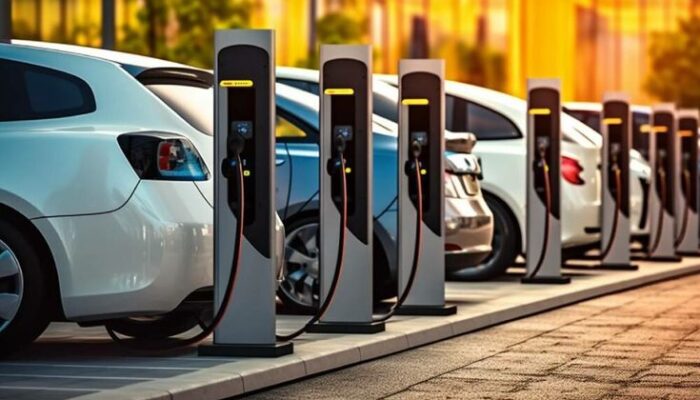
Types of Electric Vehicle (EV) Chargers and Their Role in Maintenance:
- Level 1 Charger (AC 120V)
- Charging Speed: It is relatively slow, adding roughly 3 to 5 miles of range per hour of plugin time.
- Pros: It requires zero specialized installation or electrical upgrades, offering incredible convenience for overnight home charging.
- Cons: Because the delivery is so slow, it is entirely unsuitable for drivers who need quick power-ups or those with long daily commutes.
- Level 2 Charger (AC 240V)
- Description: Operating on a 240V system, this setup requires professional hardware installation and is the standard baseline found in modern residential garages, corporate workplaces, and public commercial stations.
- Charging Speed: A massive step up from Level 1, it adds anywhere from 10 to 60 miles of range per hour.
- Pros: It delivers significantly faster charging cycles, making it the absolute best and most balanced option for standard daily use.
- Cons: It carries upfront costs, requiring a dedicated 240V circuit and professional installation from a certified electrician.
- DC Fast Charger (Level 3)
- Description: This high-speed charging method bypasses the car’s onboard converter to feed high-voltage Direct Current (DC) straight to the battery, exclusively found at dedicated commercial highway stations.
- Charging Speed: Incredibly rapid, it can safely blast a battery from 10% up to 80% capacity in just 20 to 40 minutes.
- Pros: It provides super-fast turnaround times, making it the perfect and indispensable choice for long-distance road trips.
- Cons: Continuous use can generate excess heat, potentially degrading battery health over time. Furthermore, it is more expensive to use and is not universally compatible with every older EV model.
- Wireless Charging (Inductive Charging)
- Description: A cutting-edge, emerging technology that utilizes specialized electromagnetic fields to transfer energy from a ground pad directly to a receiver under the car.
- Charging Speed: Currently offers speeds closely comparable to a standard Level 2 setup.
- Pros: Provides a completely hassle-free, cable-free, and high-tech user experience.
- Cons: It features limited market availability, lower energy efficiency compared to physical cables, and higher equipment costs.
Proper charging plays a key role in maintaining your EV’s performance. Choosing the right charger based on your needs ensures your vehicle stays efficient and ready for the road.
Essential EV Maintenance Tips:
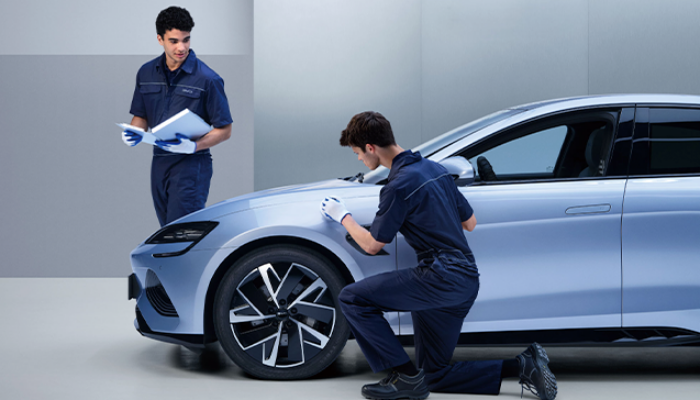
While electric cars feature significantly fewer moving parts than traditional gasoline engines—meaning no oil changes, spark plugs, or timing belts to worry about—they still require specialized routine checkups. Implementing the following ten tasks will ensure your vehicle remains reliable for years to come:
- Battery Health: Charge your EV between 20% and 80% to preserve battery life. Use the right charger (Level 2 for faster, longer-lasting charging).
- Electrical System: Regularly check the motor, inverter, and connectors to ensure everything is functioning well.
- Cooling System: Ensure the battery’s cooling system works properly to prevent overheating and performance issues.
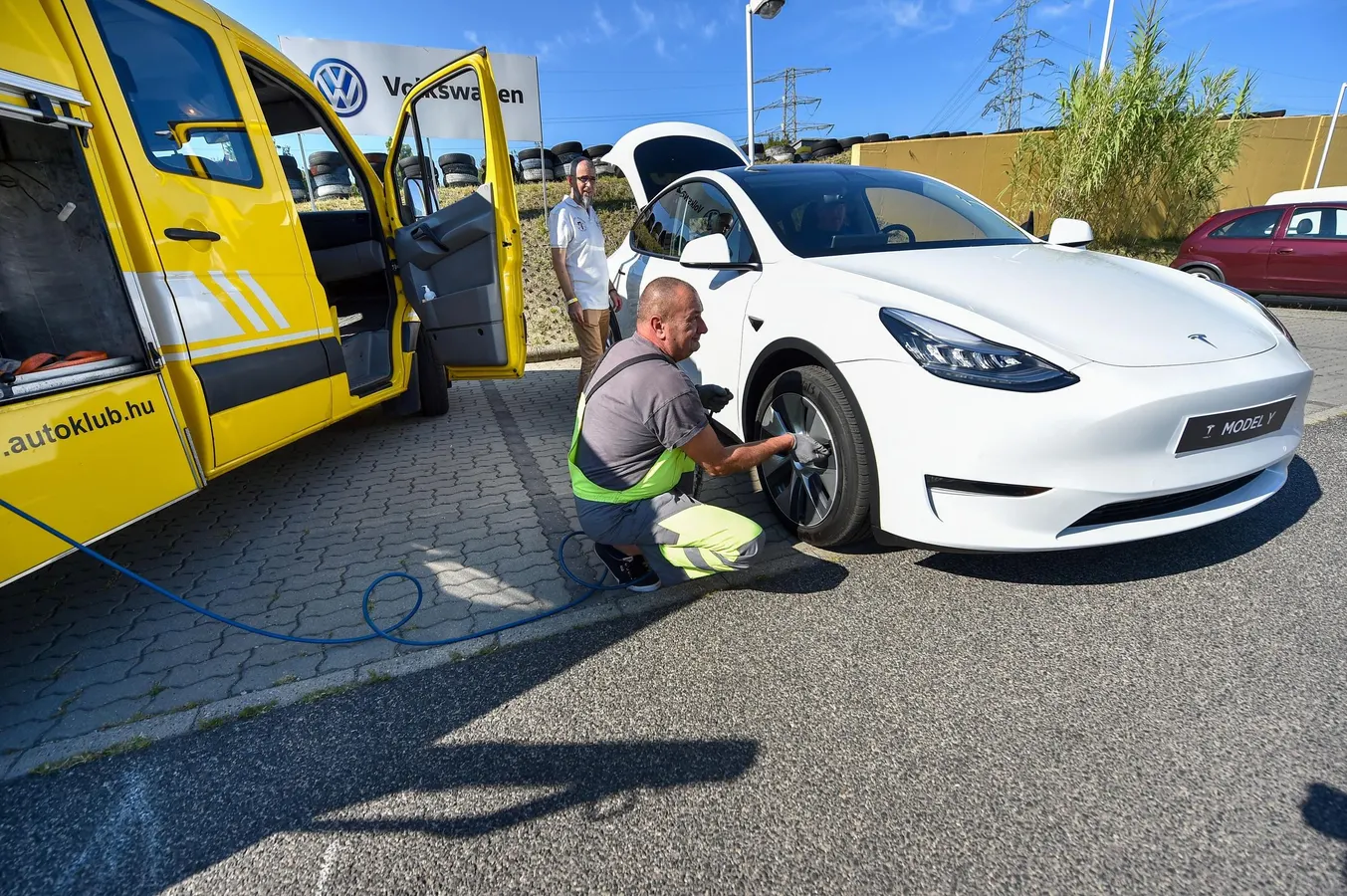
- Brakes and Tires: Inspect the braking system and tires periodically for wear and proper inflation.
- HVAC System: Keep the heating and cooling system in good condition and change the cabin filter regularly.
- Software Updates: Install available software updates to enhance vehicle performance and features.
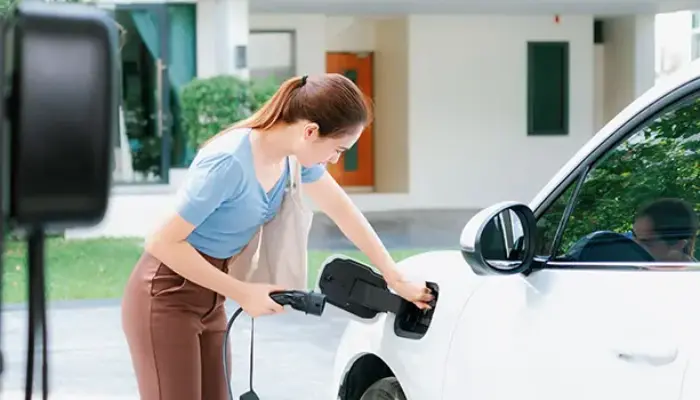
- Charging System: Use the correct charger and inspect charging cables for damage.
- Cleaning: Regularly wash your EV and clean sensors to maintain safety and appearance.
- Routine Checkups: Visit an EV service center every six months for thorough inspections.
- Warranty Awareness: Understand your vehicle’s warranty, especially for the battery, and know how to make claims.
With these simple steps, your EV will stay efficient, reliable, and ready for the road!