Return to Uzone News Portal

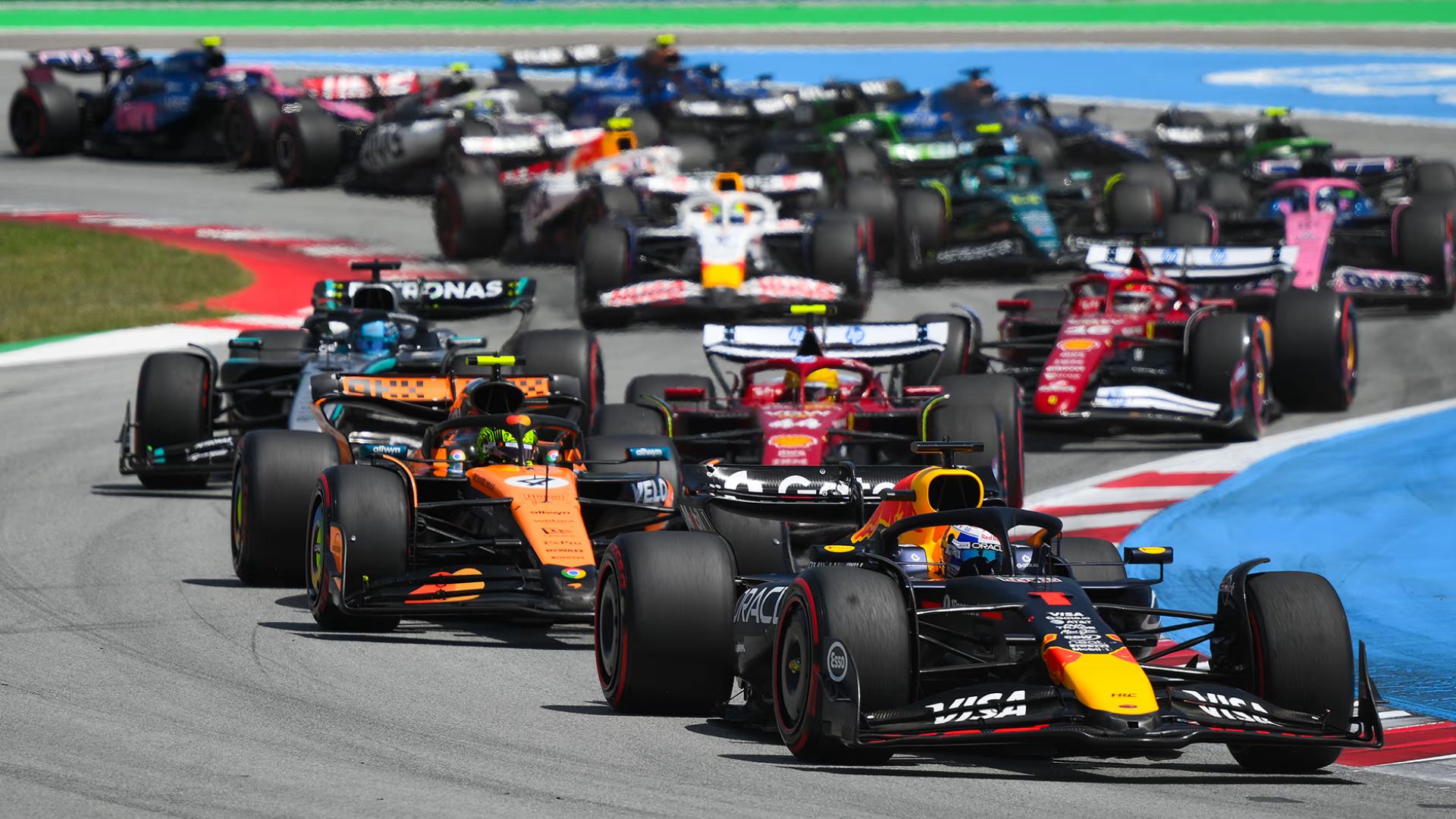
The governing body of Formula 1 (F1), the Fédération Internationale de l’Automobile (FIA), has announced a series of new regulations that will take effect in 2026. These rules are designed to make the sport faster, more competitive, safer, and more environmentally friendly.
Major Changes in F1 Car Design
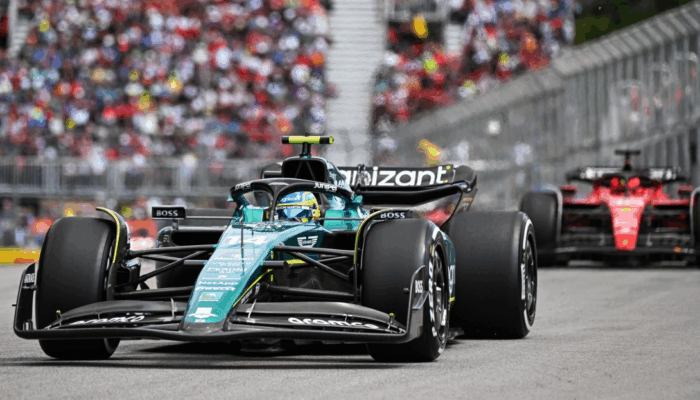
One of the most significant changes lies in the aerodynamic design of the cars, which will now work in harmony with the new engine regulations. The FIA has also approved rules aligned with sustainability values. So, what exactly is changing? Here’s the full breakdown.
Car Dimensions Will Be Reduced
The FIA continues to refine F1’s technical regulations. Next year, one of the most noticeable changes will be the size of the cars—specifically, the wheelbase, or the distance between the front and rear wheels.
In 2025, F1 cars have a wheelbase of 3,600 mm (about 11.8 feet), while in 2026, it will be shortened to 3,400 mm (about 11 feet). That means the 2026 cars will be 200 mm (7.8 inches) shorter than their predecessors.
This change aims to make the cars more agile and easier to handle, especially when cornering.
Cars Will Also Be Narrower and Lighter
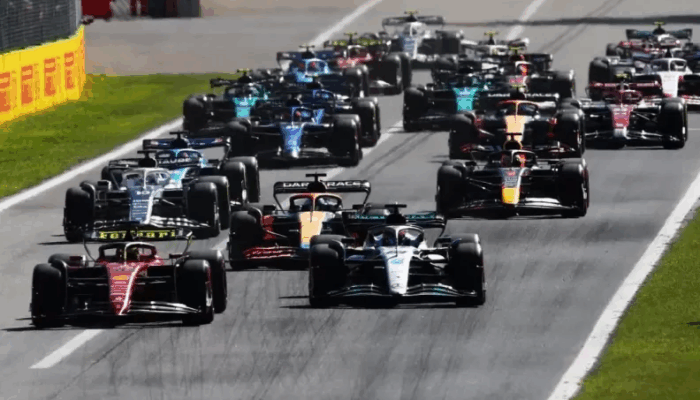
The width of F1 cars will also be reduced. In 2025, the width is 2,000 mm (about 6.5 feet), but in 2026 it will shrink to 1,900 mm (about 6.2 feet). In other words, the new cars will be 100 mm (4 inches) narrower. The goal is to make overtaking easier and races more competitive.
Weight reduction is another key change. In 2025, an F1 car weighs 800 kg (around 1,764 lbs), but this will drop to 768 kg (1,693 lbs) in 2026 — a difference of 32 kg (71 lbs).
The lighter weight also results from smaller tires. Although the wheel rims remain 18 inches in diameter, the tires themselves will be narrower on both the front and rear.
Next year, rear tires will measure 375 mm (14.7 inches) wide, and front tires 280 mm (11 inches) — 30 mm and 25 mm slimmer, respectively. These smaller tires will affect how cars accelerate and corner.
Lower Aerodynamic Drag for Better Efficiency
FIA, the 2026 regulations also target a 55% reduction in aerodynamic drag compared to 2025. This is achieved through several design changes: smaller front and rear wings, the removal of the beam wing, a flatter floor, and a simpler bodywork design.
These updates will also reduce the “dirty air” that typically disrupts the car behind, improving raceability.
Why does this matter? With less drag, cars can go faster on straights without relying on DRS. This makes them more energy-efficient and creates cleaner airflow behind the car.
Additionally, the underside of the car will be flatter and simpler. This results in several effects:
- A smaller diffuser means less downforce.
- The car no longer needs to run extremely low to the ground.
- The new design helps reduce “bouncing” or “porpoising.”
Goodbye DRS, Hello MOM

The traditional DRS (Drag Reduction System) will be replaced by a new system called MOM — Manual Override Mode. MOM works like a “push-to-pass” function, delivering extra power from the electric motor (MGU-K), similar to activating a turbo boost.
However, drivers can only activate MOM when they are within one second of the car ahead — just like the DRS rule. MOM provides an additional 350 kW of power, allowing cars to reach speeds of up to 337 km/h (209.4 mph).
The key difference is that MOM gives a direct power boost rather than reducing drag by opening the rear wing.
F1’s Push Toward a Sustainable Future
Like many other industries, Formula 1 is taking bold steps toward sustainability. Starting in 2026, F1 will use 100% sustainable fuel made from waste, plants, or captured carbon — and this fuel can be used in existing engines without modification.
The 2026 season will also mark F1’s transition to net-zero CO₂ emissions, meaning the carbon emitted during races will be fully offset by what’s captured in the fuel production process.
Electric power will play a much greater role, too. The hybrid system’s output will triple, reducing fuel usage from 100 kg to just 70 kg per race.
F1 will adopt a 50:50 power split — 400 kW from the internal combustion engine. And 350 kW from the electric motor — signifying a major leap toward hybrid technology and sustainability.